







Extraglaze Secondary Glazing
Understanding the problems (and the design factors)
Secondary glazing is a very effective sound proofing measure. In comparison, double glazing and triple glazing are often not. Even so-called “acoustic glass” offers little added benefit over standard glass. Sometimes it's best to ask neighbours how they got on with their sound proofing measures of that type, but witness it yourself, don't just take their word for it.
Secondary glazing can certainly reduce noise, significantly. Though it also depends on the following (this is not an exhaustive list):
- type of noise. For example road noise is readily cured, aircraft noise is not. They differ significantly in frequency and energy
- how far the windows are from the source. For example traffic/lorries driving past only a few feet away, because there is no front garden
- full-on sound. For example street noises may be bouncing back & forth amongst close-knit buildings in a narrow town centre.
- how thick the walls are, and the materials used in construction. The foundation and dwarf walls of a bay window are often much lighter than the main walls and may have little defence overhead if they have their own roof, therefore letting in a lot of extra sound.
Predominantly the effectiveness of your sound proofing measures is a factor of:
- how well the existing windows are already sealed. If your windows are draughty then secondary glazing will seal them, and make a huge difference.
- how much gap distance you can achieve between the existing and the new glazing: the more the better. 40mm should be considered a minimum gap; 100mm gap is a good target. Beyond 125mm the benefit per additional 10mm of gap tails off
- on windows that are already well-sealed, creating a gap of less than 45mm will probably disappoint you. But in some cases it's all you can do
- if your room is inside or directly under a roof (so you have sloping ceilings) then this will be the weak point: it's very likely sound will still come through there despite seconday glazing
- your internal decor - it'll be much, much better for having: a carpet or substantial rug; soft furnishings; curtains instead of blinds; no piano (!)
- you must consider sound proofing your entrance door(s), i.e. your hallway, as this can be a serious weakness in any scheme you put into place
- Note too: choose secondary glazing with smaller panels in strong frames i.e. the stiffness helps.
Can I sound proof my PVCu windows, or replace them with better?
Yes, is the simple answer. But the longer answers are...
- the handles on your windows will very likely stick well out from the existing PVCu surfaces, so immediately you will recognise these as an obstruction to secondary glazing, however, in any case...
- for a good gap distance (explained above, using secondary glazing) you must fit a new perimeter frame, closer in to the room, for the secondaries to fit on. Providing the windows are already giving you good thermal insulation then this gap can be any size, from 60mm upwards. The depth of reveal in your wall may dictate the maximum, or how much window sill depth you are prepared to lose. The deeper the better for sound proofing. For the best soundproofing we would even recommend two layers of secondary glaaing, but you should try one layer first, in case that does the trick nicely.
- replacements can be very effective: we would recommend you get some first-hand testimonials on your choice of product, by visiting homes that have that system installed and listen to the results when opening and closing their windows (with traffic, etc, passing outside of course). For the most part new windows, when fitted well, offer a first rate seal (as opposed to old and weathered). You should check the quality of the seals in your existing windows.
- secondary glazing will always improve soundproofing, providing there are no other weakspots in your room, where sound is also coming through. Such weakspots must also be fixed.
Is double glazing or triple glazing better?
Double glazing and triple glazing can certainly let you down dramatically on the sound proofing (it can be little or no better than well-sealed single glazing in this respect)*. Triple glazing may have less sound proofing than double glazing - we recommend you research this by asking your potential supplier for technical information and comparing the two types. Don't just accept their verbal assurance. Secondary glazing on the other hand is a very well respected choice for sound proofing. We've achieved as much as 75% reduction of noise after fitting secondary glazing.
Magnetic secondary glazing v's aluminium framed secondary glazing
With either system it is common to look out of your window to watch cars drive past and not hear them. Both systems are good for sound proofing. Aluminium frames can, but not always, look a bit like windows installed on top of your existing windows. Whereas Extraglaze magnetic secondary glazing can be genuinely inconspicuous.
This is typically installed straight on to your existing window frame. On casement windows this usually achieves a gap less of 40 to 50mm. On a sash window it will achieve a gap of about 50mm on the lower half, and 125mm on the upper half. For even better sound proofing you need to add more gap*, by adding a very slender superficial frame, to provide surfaces for the magnets to adhere to. The magnets make an excellent seal.
NOTE: if your magnetic secondary glazing panels is large/heavy and exposed to hot sunshine then it will need to be taken off the window in the summer, to prevent overheating. This means you will lose your soundproofing.
If you have thick walls and therefore a deep reveal, then aluminium frames lend themselves to being fitted further away from the existing window i.e. for the best achievable gap. A superficial timber sub frame is necessary, unless you are offered a “reveal-fix” method. Unfortunately doing it this way “eats up” your available window sill. This and the prominence of the frames may be unsightly to you. With a large gap (about 125mm or more*) an excellent result is achieved - providing the system you have installed also makes an excellent seal.
*NOTES: as you increase the gap beyond 125mm the extra benefit diminishes, so you have to add a lot more gap. If however, it is practical for you to add a second layer of secondary glazing (probably requiring a timber sub frame fixed to the reveal) then you will get the very best result possible.
Acoustic glass
You can consider having acoustic glass in your windows. It will be very expensive. If you were able to stand in your room with acoustic glass and instantly switch to non-acoustic glass you would be exceptionally lucky to have ears that can tell the difference. Special machines that measure in decibels can record the difference. Architects specify acoustic glass even when the improvement it makes is very small indeed. Of course it will depend on other factors too, such as the frequencies of the noises outside, and the thicknesses of the glazing in the window sandwich. If you have it installed as secondary glazing then make sure it is a different thickness to the existing glass.
Some quotes from Extraglaze Secondary Glazing customers:
| “I have installed Extraglaze panels on 11 sash window in a grade two listed building dating back to 1799. I feel this is a great success. They are unobtrusive, very effective at reducing noise, good at reducing condensation and help enormously with heat insulation.” |
| “On a rating of 0 to 5, we would give the Extraglaze panels that you made and installed for us a rating of 5 for making our house warmer, 5 for reducing noise and 5 for the pleasing appearance of our windows. We were equally pleased with your modest pricing of our Extraglaze panels. We had almost given up hope of finding double or secondary glazing that would give us all these benefits and still enable us to retain the lovely original glass in the windows of our hundred-year-old house - until you were referred to us. We are simply delighted with the result.” |
| “A couple of days after [installing Extraglaze], Northumbria Water decided to drill right opposite our house but the elegant glazing really deadened the sound although we could hear it upstairs as one of the panes was off at the time.” |
| “We live in the centre of Shrewsbury in a listed building which has sash windows - and wooden shutters. The Extraglaze fitting was done without the need to adjust either the windows or the shutters. The units are both discrete and flexible, and can be moved readily to open the windows. The noise reduction is marked - probably 50-60% reduction - very noticeable living in the town centre. A very professional outfit with a first rate product - we are delighted with the results.” |
We needed to use an adhesive not prone to the problems we'd seen in competing products.
We found one we preferred and tested it.
We had fun proving just how strong it really is. It's the same adhesive used to fix Extraglaze Secondary Glazing panels to window frames. The amount of adhesive used in this test is the same as we would put around the edges of a panel of size 1.2m wide by 1.2m tall.
Thermal insulation tests at Coventry University

In April 2014 we received confirmation that Extraglaze is a scientifically proven thermal insulation solution that beats a typical aluminium framed alternative.
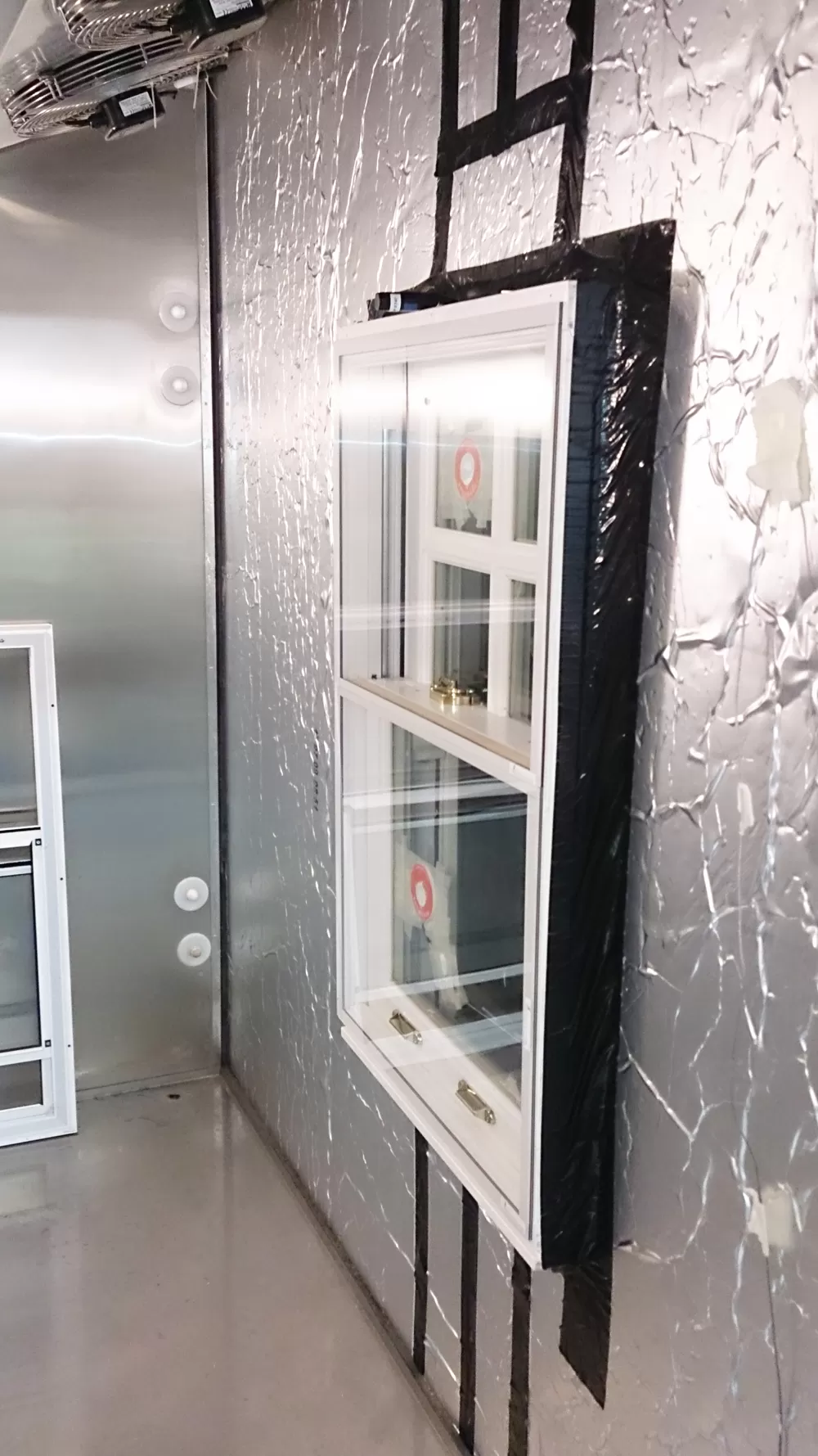
The university's Sustainable Buildings Future Project used their Environmental Chamber to compare Extraglaze with an aluminium-framed, glass-pane secondary glazing system...
...Extraglaze came out the clear leader.
 With both systems tested on a single glazed sash window the U-value for Extraglaze proved 11% better (2.20W/m²) than the alternative product.
We already knew that Extraglaze would be a better solution to deal with condensation, and the tests confirmed it. In a humid room test (60%RH), with below zero temperatures outside (-5 and -10ºC), Extraglaze was an impressive 78% better.
Extraglaze put to the test in the Environmental Chamber
Sound insulation tests at the Building Research Establishment

In July 2013 a large timber framed window (1.3m² of visible glass) was installed in the Building Research Establishment's (BRE) Horizontal Transmission Suite, and tested against both our Extraglaze magnetic system (showing in the test suite photo below) and an aluminium framed glass secondary glazing system. A wide range of tests were made, to see how each type of secondary glazing could not only improve a single glazed window but even a double glazed window.
Extraglaze put to the test in the Horizontal Transmission Suite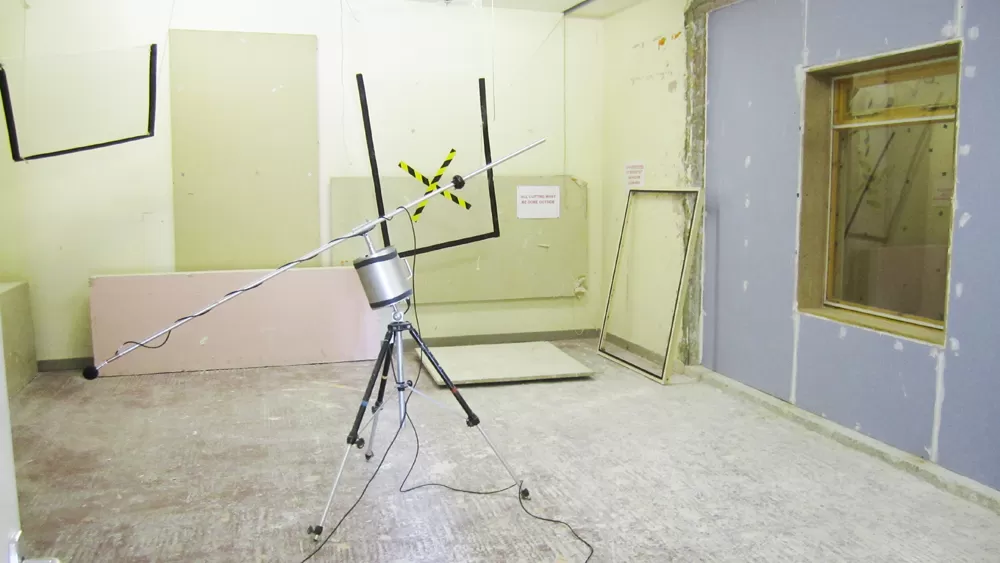
To summarise the results both systems were rated "good" as a sound insulator for noise problems. We learned in particular that smaller panels do best, being more rigid, and the larger the gap, between the original window glass and the Extraglaze, the better. What surprised us most was that it didn't seem to make much difference whether the original window was double glazed or single glazed.
Proof in practice
In January 2014 Extraglaze was installed onto brand new triple glazed UPVC bay windows in a home by a main road. The triple glazing had been installed to cut the road noise but had proven ineffective. However, with the addition of Extraglaze road noise was almost completely eliminated. The customer was hugely relieved to finally get the result they wanted.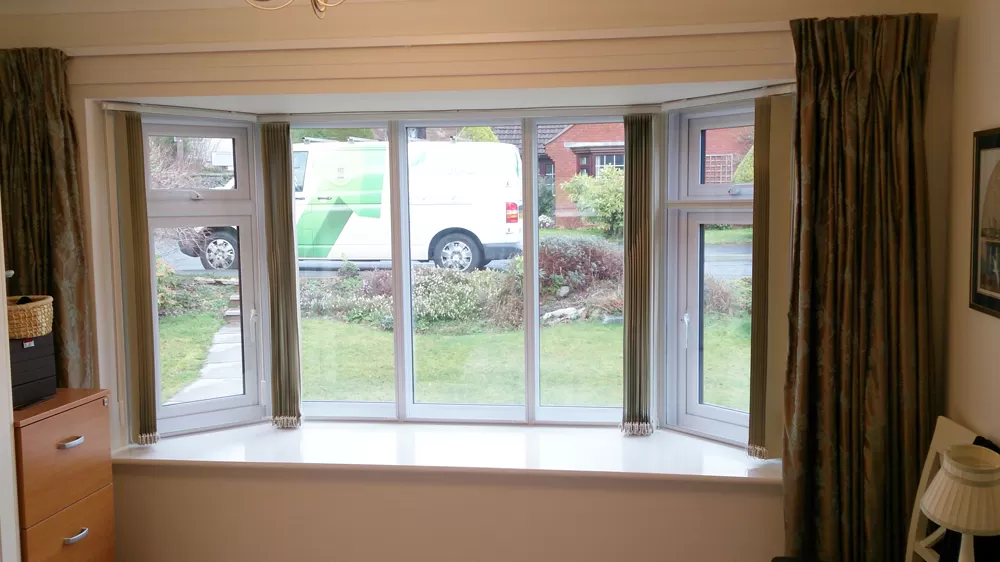
Fire performance
For information about how Extraglaze is likely to behave in a fire please see our FAQ's : please look under the section ABOUT OUR PANELS and click the question: Is acrylic better than other glazing materials e.g. glass or PETg?
And news from customers...
We have an ever increasing number of fabulous testimonies from our customers, which can be seen in the many reviews they have left on Feefo. It is clear that our customers enjoy their homes much more now than they did before Extraglaze was installed, being much warmer and much quieter.
For more information about Extraglaze please view the information in this site or contact us on the number above.
If you are an engineer or architect please contact us to discuss the results of tests in more detail.
Fitting Guides for Extraglaze Secondary Glazing
Installing Extraglaze panels correctly starts with having the right information to hand. Our Fitting Guides provide clear, step-by-step instructions to help you achieve an accurate, right-first-time installation, whether you are fitting the panels yourself or working alongside a local tradesperson.
What the Fitting Guides Cover
The guides are designed to take the guesswork out of installation, covering:
- Measuring guidance – a strict guide for how to measure accurately before you order, reducing the risk of ill-fitting panels
- Standard panel fitting - straightforward application methods for most window types
- Templating for shaped and out-of-square panels - detailed instructions for arched, angled, and non-standard window shapes.
Why Getting the Fit Right Matters
A well-fitted Extraglaze panel does far more than improve the look of your windows. It seals out draughts, significantly reduces heat loss, and helps eliminate condensation. For those working from home, it offers two very much appreciated benefits:
1) your home office or workspace will be a noticeably quieter, more peaceful environment, which matters when road noise, air traffic, or general street activity disrupts your day and, of course, any work conversations
2) you can enjoy working close to a window in precious daylight, especially on short days when you start too early and finish too late to enjoy time outside in it.
Spring is a particularly good example of why this counts. When the weather is mild, opening a window feels tempting, but it brings noise alongside fresh air. Birdsong is welcome; traffic and aircraft noise rarely are. Keeping your windows closed with Extraglaze fitted means you retain the quiet without sacrificing comfort.
It is worth noting that Extraglaze performs very well against high-altitude air traffic noise, though panels in very close proximity to a busy airport may face too great a challenge.
Access the Fitting Guides
The full set of Fitting Guides is available to registered users. Simply sign in or register to access the complete library.
If you need further support, our helpline team is on hand, and remote guidance is available by email and by phone call or video conversation, commonly using WhatsApp or FaceTime. We also have a large library of diagrams that explain particular scenarios; these will assure you that there is a solution to almost every challenge. They will either make your installation easier and faster, or persuade you that you need to hire expert help, in which case please do not hesitate to reach out to us. You can also see who is near you on our Fitter Finder page.
Yes, we know it does because...
- we have had it tested scientifically at Coventry University - simply ask if you wish to read the report
- our customers tell us it does (see first hand testimonials in our Reviews page)
Did you know, for example, that the acrylic glazing we use has one fifth the rate of heat transfer when compared to glass. This means that Extraglaze Secondary Glazing tends to stay much closer to room temperature. Whereas had we used glass it would stay cold, and be prone to condensation. In short, a "glass-in-aluminium-frame" type of secondary glazing is not a solution if you wish to tackle condensation. But Extraglaze Secondary Glazing is.
But... lots of things can be at work to cause your condensation problem, and sometimes these are too many and too severe for Extraglaze Secondary Glazing to solve all by itself.
Of course, please note, while Extraglaze Secondary Glazing can stop water condensing on the inside of your windows, it does not stop condensation on other surfaces in your home! When condensation is rife, or persistent then we recommend urgent action, most of it very simple and practical - please read our other article How to Stop Condensation.
If, after Extraglaze has been installed, you are still getting condensation in the gap please refer to our FAQs page, not far form the top: Does Extraglaze stop condensation?
Did you know...?
- Condensation usually appears worse on upstairs windows, because:
-
- heat (and steam) rises
- the rooms upstairs are probably not heated like the living spaces are downstairs
- that's where the occupants spend most of their time (sleeping!), and add dampness to the air, as they breathe.
For this reason, when condensation is a problem, we always recommend you insulate the upstairs windows as a priority.
- Condensation always finds a cold spot to land on. If you use Extraglaze Secondary Glazing to insulate some windows, but don't insulate the others, then condensation will gravitate to the uninsulated ones.
- Extraglaze Secondary Glazing can often stop condensation caused by the inside air, but it cannot stop dampness and water leaks coming in (into the cavity) from outside.
- Radiators should, whenever possible be located beneath a window, not against an internal wall. This is because the air circulating around a window will keep it dry, and also it dramatically reduces "chilled feet" syndrome.
- If you have a warm room, but still have cold feet then you have "chilled feet" syndrome, consequence of having radiators installed in the wrong places. It is normal to turn up the thermostat to compensate. However, this will add considerably to your fuel bill, so beware! In the long run, not only can it work out cheaper to have a plumber relocate your radiator/s, but you will feel so much warmer if you solve this problem, and enjoy warm feet!
Water or damp air in the cavity?
It is quite common for condensation to appear in the cavity very soon after Extraglaze Secondary Glazing is installed. There are two reasons for this:
- the installation took place on a cold or damp day. A fitter will work so close to the window that his or her breath will condense on the external glazing, or simply "fill the air" that is trapped when the panel goes on. On very cold days there is nothing the fitter can do - it will get wet again just as fast as a cloth can dry it!
- the materials in the window frame might well be damp (from the condensation it suffered prior to fitting your Extraglaze Secondary Glazing). Now the following is good news: the secondary glazing has made a gap between the new and old glazing, and the cavity has started to work like a greenhouse, warmed by daylight. During the day any dampness starts to sweat out of the frame. This "sweating" effect is normal, and good for your window, because the window frame is drying itself out. Consequently the warmed air in the cavity will contain an increasing amount of moisture - and this will explain any ongoing condensation noticed inside the window. So, at night, or during a cold spell, this moisture will condense onto the glazing. Later in the day you may notice it has evaporated, but it is still within the cavity. You may see this same condensation appear again and again until you remove the moist air.
Happily both of the above are temporary, but do need a little effort to resolve. The solution is to remove the panel on a dry day, when the room is well ventilated and give the glass a wipe. Next, a simple waft of dry air into the cavity is all that is needed. A wrong day to do this would be while you are drying washing indoors, even using a tumble dryer, or there are other reasons for the room to already contain damp air.
In more severe cases you might have water seeping into the window frames from outdoors, in which case you need to deal with the cause. The common causes are:
- a gutter is clogged, and water is dripping or running over, or splashing somewhere near the window
- the paint is not in good enough condition to protect it from the weather
- there are gaps in the frame, allowing water or damp air in
Good maintenance will save you money and your windows
When you find water in the cavity then it is essential to take the above action to stop the problem. If you do not then your window could become badly damaged, by rot, black mould, or swelling. The natural cycle of wetting and drying causes, in turn, swelling and shrinking. These eventually weaken and breaks the joints. Furthermore swelling will cause you to fight to get the windows open, which will be harmful. The window must be allowed to dry out and then must promptly be painted to a professional standard. Otherwise the window will soon be in need of a costly repair.
Reviews

-
2 months agoWe love then
-
2 months agoGreat product
-
3 months agoExcellent experience
-
5 months agoStuart Day
-
6 months agoAll very helpful and efficient
Sam Mahon -
8 months agoGreat productWould definitely recommend
Good product and customer service
-
8 months agoGreat QualityPhil Birtwhistle
-
9 months agoGreat product and serviceSLC
-
9 months agoFantastic, helpful company
-
9 months agoan excellent company to deal withJames


Extra news
How to Stop Condensation on Windows
How to Stop Condensation on Windows
Condensation on windows is a common issue faced by many homeowners, especially those with single-glazed windows. Understanding the root causes and implementing effective solutions can significantly reduce this problem. We'll explore how Extraglaze secondary glazing can help mitigate window condensation and provide practical tips for addressing the underlying causes.
Autumn Condensation: Why Your Windows Start "Sweating" as It Gets Colder
Waking up to windows clouded with moisture is one of the first signs that autumn has truly arrived. As the mornings turn crisp and the heating clicks back on, many homeowners notice water gathering along the bottom of their window panes, sometimes running down the glass in small streams.
This seasonal shift catches plenty of people off guard. The condensation that seemed to vanish over summer returns almost overnight, and it can feel like your windows have suddenly developed a problem. In reality, the change in weather is the trigger.
Secondary Glazing vs a Glass Upgrade to Double Glazing: Which Is Right for Your Home?
The Window Efficiency Debate
In the quest for energy efficiency and comfort, homeowners often find themselves at a crossroads: should they opt for secondary glazing or invest even more in upgrading their existing windows by swapping the old glass for some modern double glazing? Both options offer promise to improve insulation and reduce energy bills, but they are significantly different in their approaches and budgets. This guide explores the nuances of each solution to help you decide which is best for your home.
Help & Guides


 |
 |


Great samples
Very helpful on phone